
Choosing the Best Abaya for Hajj and Umrah
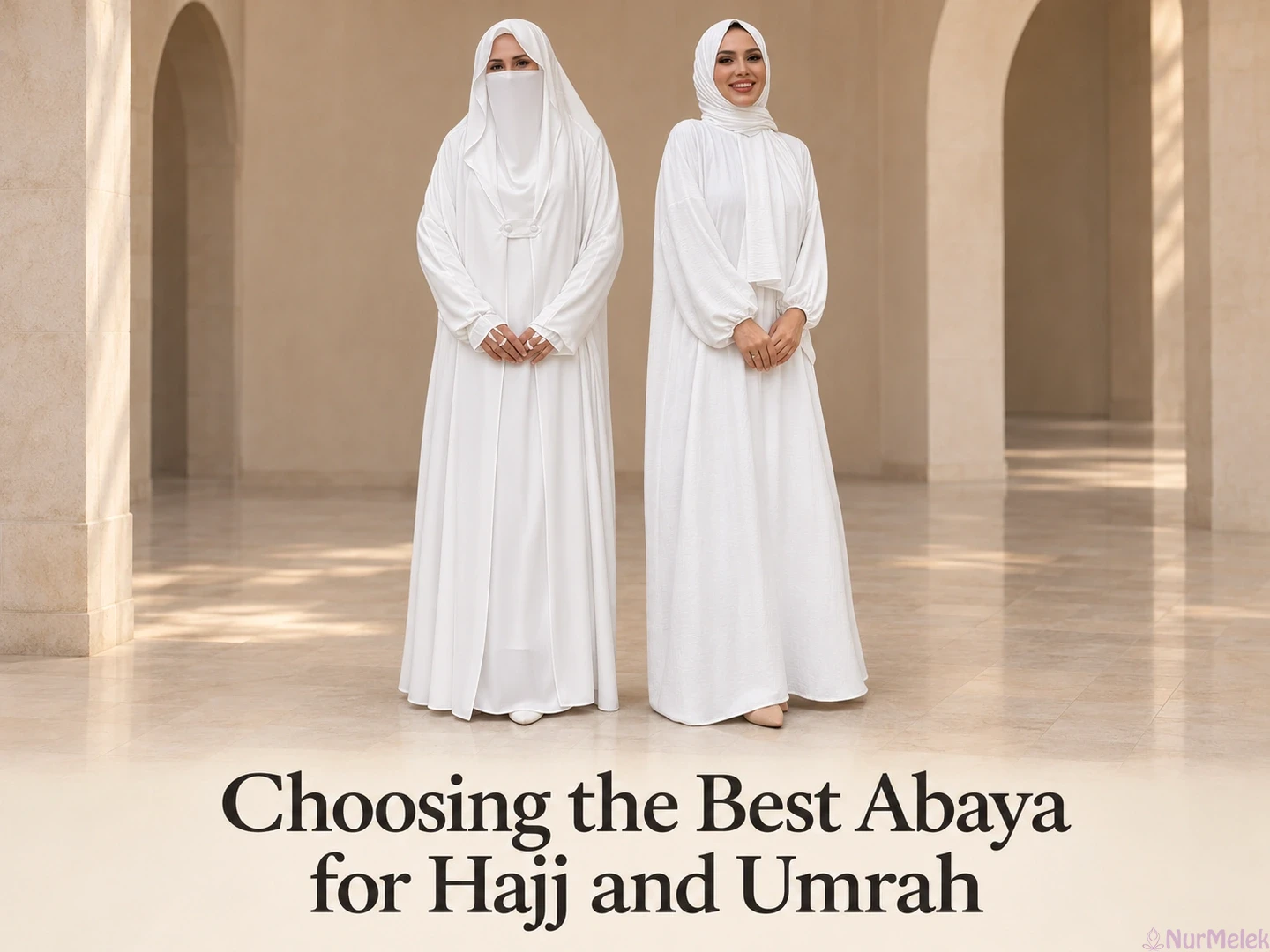
Choose a comfortable abaya for Hajj and Umrah. Compare breathable fabrics, practical closures, fit and packing tips for your pilgrimage.
Preparing for Hajj or Umrah is a meaningful experience, and choosing what to pack is one of its practical parts. During your journey, you may spend long hours walking, travelling between locations and attending prayers. Comfortable clothing can help you focus on those activities instead of adjusting an outfit that feels too heavy, tight or difficult to manage.
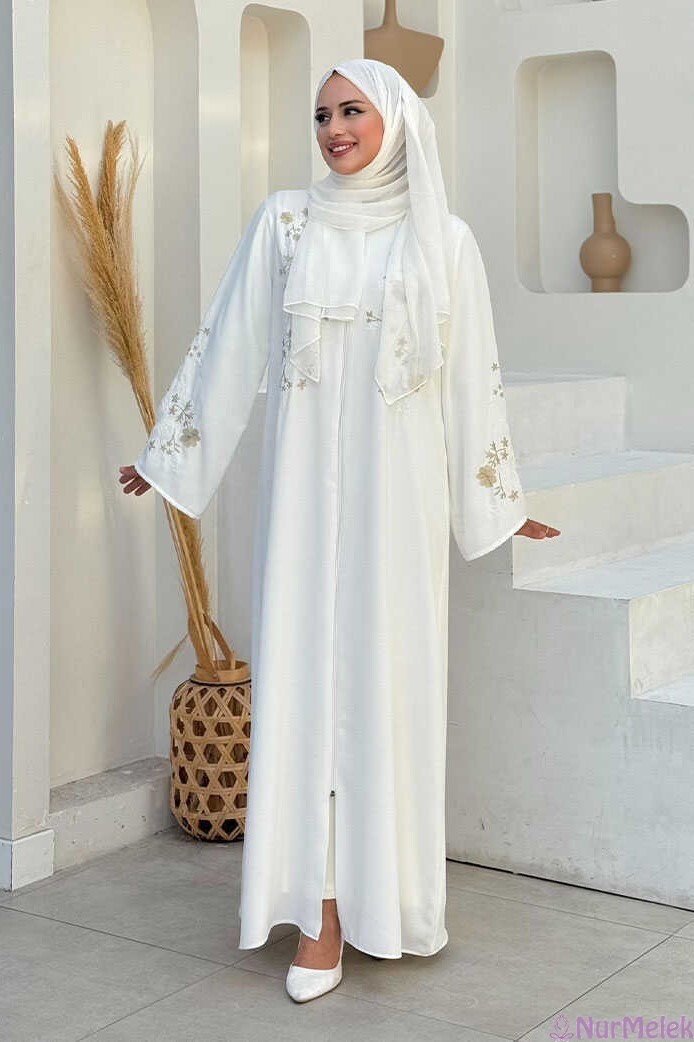
For many women, an abaya is a convenient choice. It provides modest coverage in one layer and can be worn over clothes suited to the weather. Yet the best abaya for Umrah or Hajj is not necessarily the most elaborate one or the one advertised specifically for pilgrimage. What matters is how it fits, how the fabric feels and whether you can wear it comfortably throughout the day.
Women are not required to wear a particular abaya style or a white garment for ihram. You can therefore choose a modest outfit that works for your needs. The following points will help you compare styles before buying or packing.
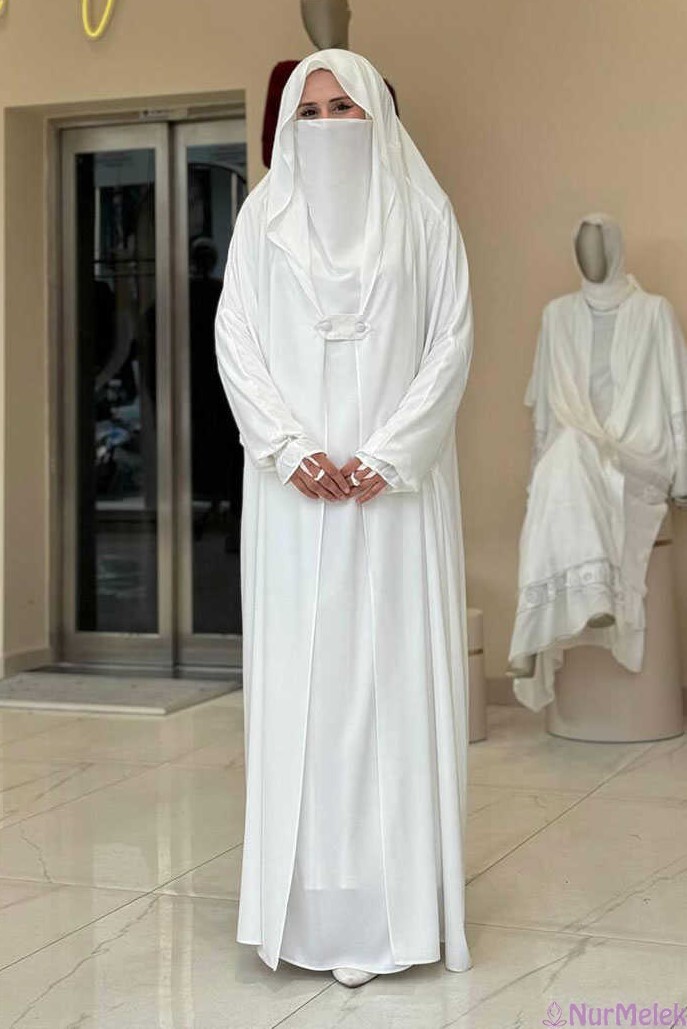
Why Choose an Abaya for Hajj or Umrah?
An abaya offers a simple way to dress modestly without planning a complicated outfit each morning. A loose design can be layered over comfortable clothing, and a full-length garment provides coverage while walking, sitting and praying. This makes an abaya particularly useful when your days include several different activities.
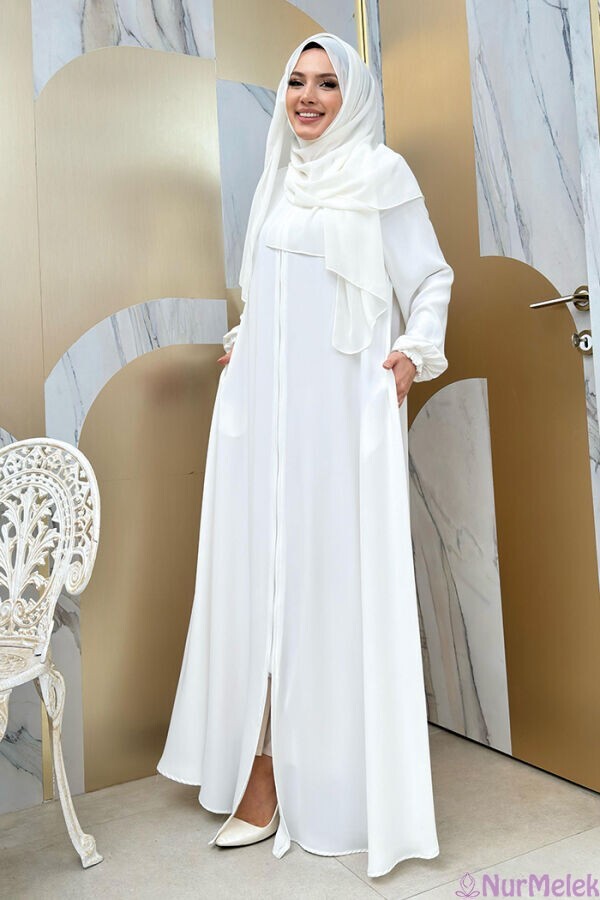
Comfort, however, depends on the individual garment. Some abayas look flowing in photographs but feel heavy when worn for hours. Others have sleeves that slip into the way or a hem that catches under your shoes. Try walking, sitting and raising your arms while wearing the abaya. If you find yourself repeatedly adjusting it at home, consider another design for your trip.
You may also want more than one option. A lighter abaya could be useful for warm afternoons, while another may suit cooler evenings or air-conditioned spaces. You do not need a large collection; a small number of pieces that you have already tested will usually be more practical than several unfamiliar outfits.
Which Abaya Features Are Most Useful?
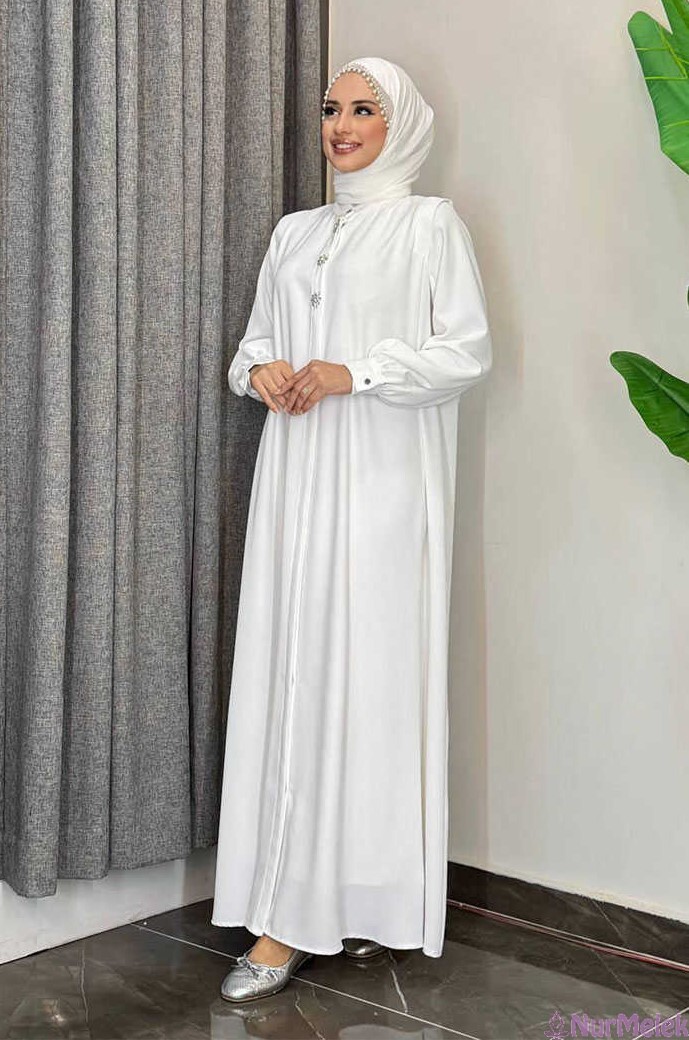
Start with the fastening. A front-zip abaya is quick to put on and remove, which may be helpful when you are tired or getting ready early. A button-front style offers a more adjustable fit, although fastening many small buttons can take longer. Neither is automatically better. Choose the closure that feels secure and easy for you to use.
Pockets are another practical detail. They can hold a tissue, room card or other small item you want to reach quickly. Check whether the pockets close securely and whether their contents pull on the fabric. For valuables, use an appropriate bag rather than relying on an open abaya pocket.
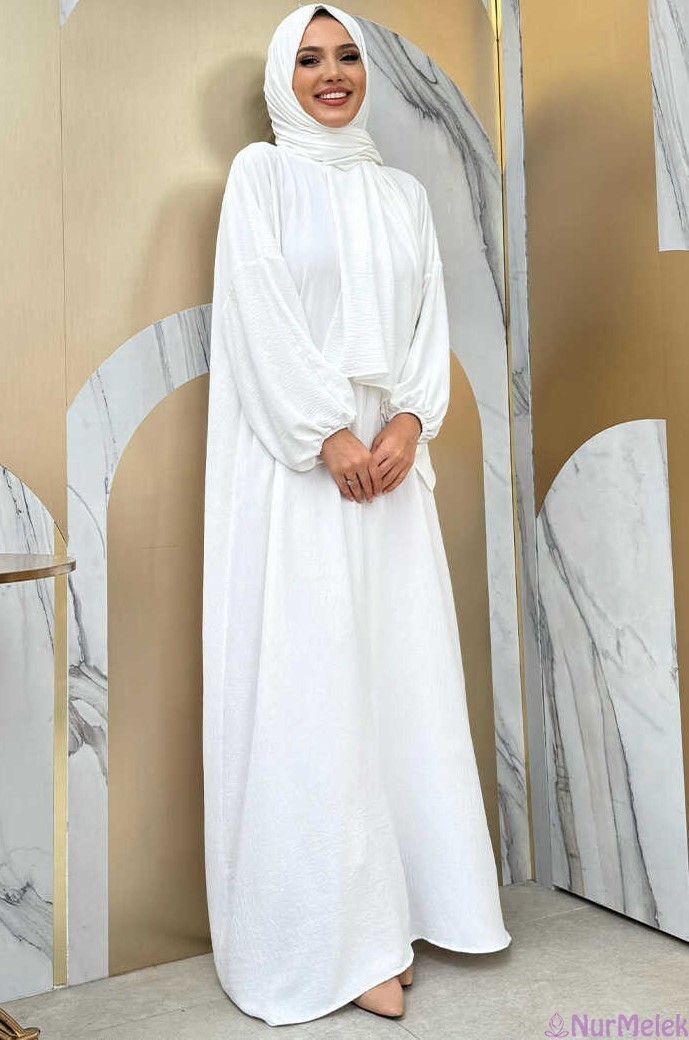
Look carefully at the sleeves. Batwing sleeves and wide cuts allow movement, but very loose fabric may get in your way in crowded places. Narrow sleeves may stay in place more easily but feel restrictive. The ideal sleeve gives you enough room to move while remaining manageable during washing and everyday activities.
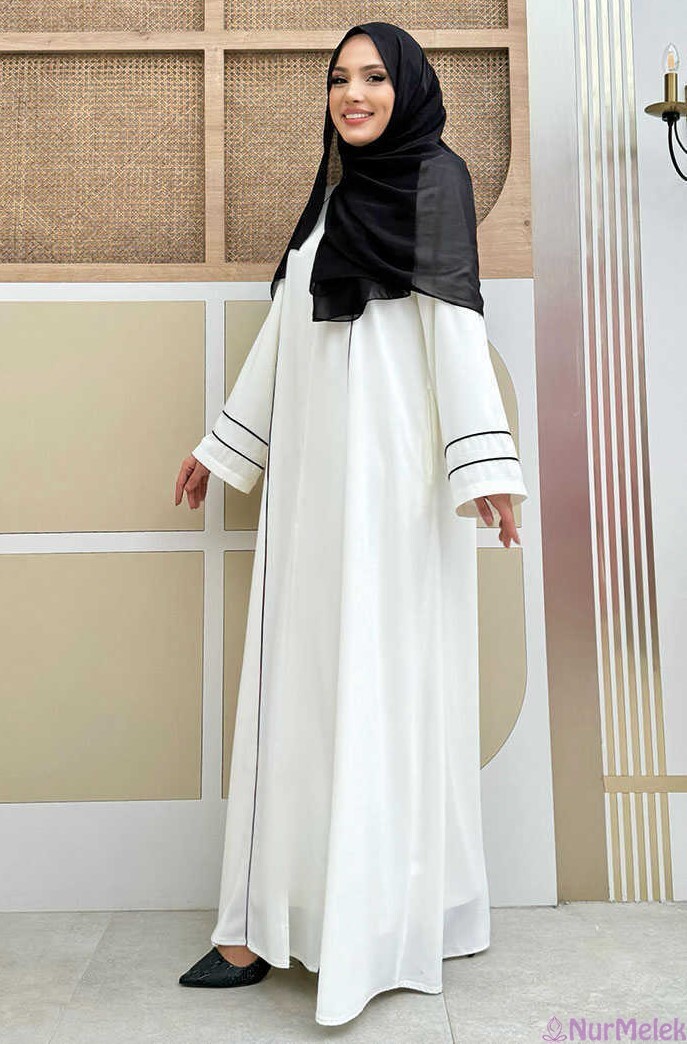
If an abaya comes with a matching hijab, try the pieces together before packing. Make sure the head covering stays comfortable, gives you the coverage you want and works with the way you normally dress. A matching set can save time, but it is only useful if both pieces fit well.
What Fabric Should You Choose?
Fabric can make a noticeable difference during a long day. Look for material that feels comfortable against your skin, allows some airflow and remains opaque in daylight. Cotton, viscose and lightweight crepe are options worth examining, but a fabric name alone cannot guarantee comfort. Thickness, weave, lining and the clothes worn underneath also matter.
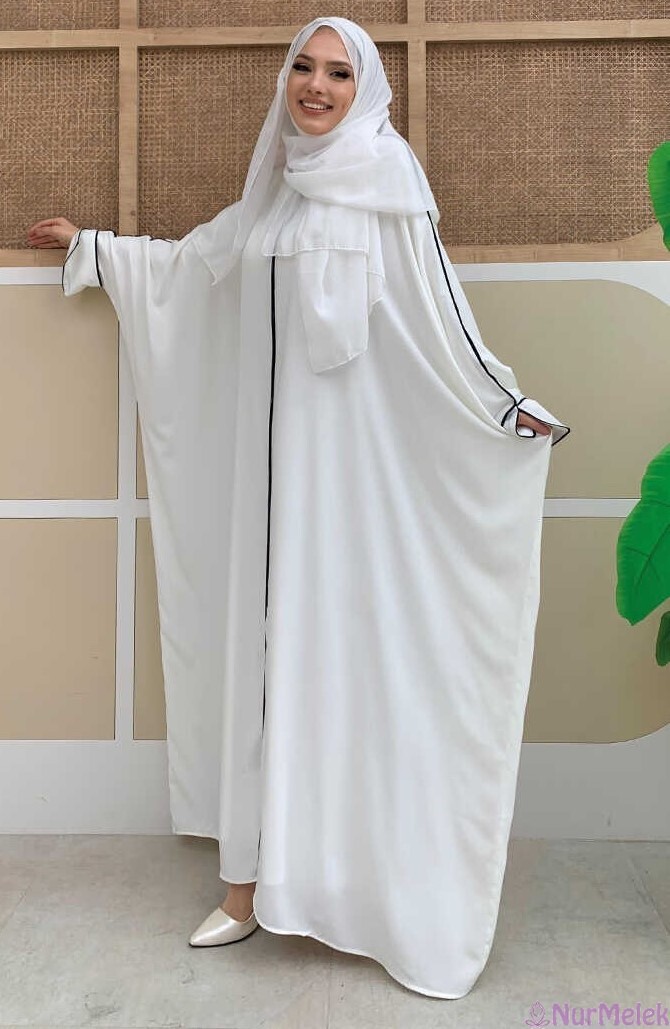
Hold the abaya up to a light source and try it on over your intended outfit. A thin fabric that looks opaque on a hanger may become see-through when stretched or viewed in bright sunlight. At the other extreme, a thick or heavily lined garment may feel unnecessarily warm. Aim for a balance between coverage and comfort.
Consider care as well. Can the abaya be washed easily during your trip? Does it dry reasonably quickly? Will it need extensive ironing after being folded in a suitcase? Check the label rather than assuming that a particular fabric is wrinkle-free or easy to maintain.
Weather can vary by season and between locations, so plan for the conditions during your own journey. Test your abaya before departure, ideally for more than a few minutes. This will tell you far more than a product description about its weight, breathability and fit.
Simple Styles and Practical Details
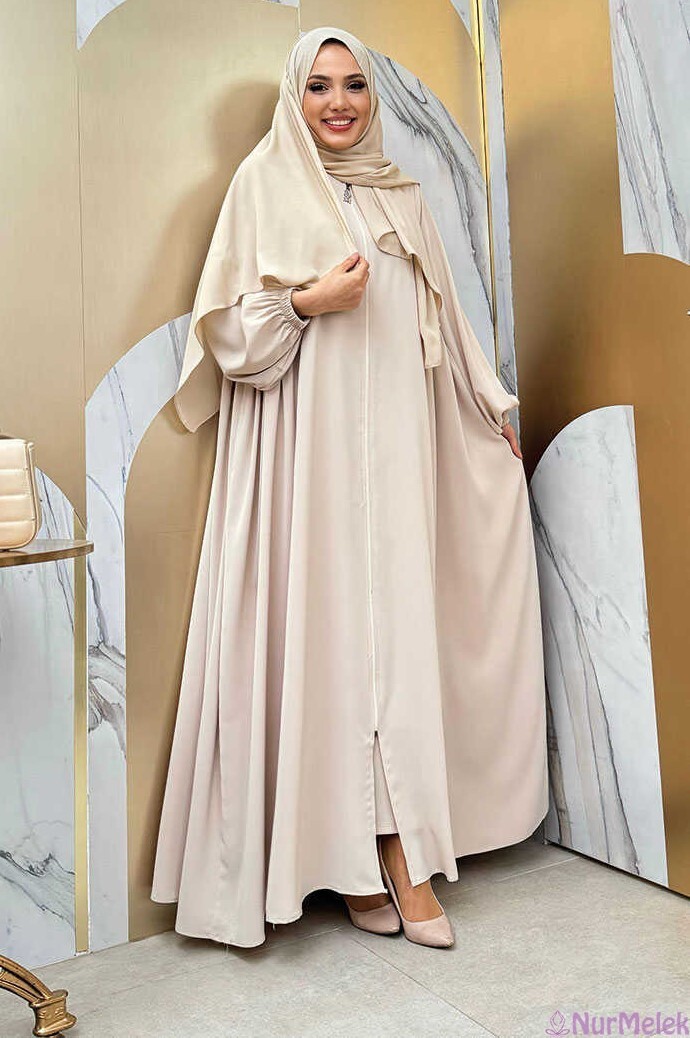
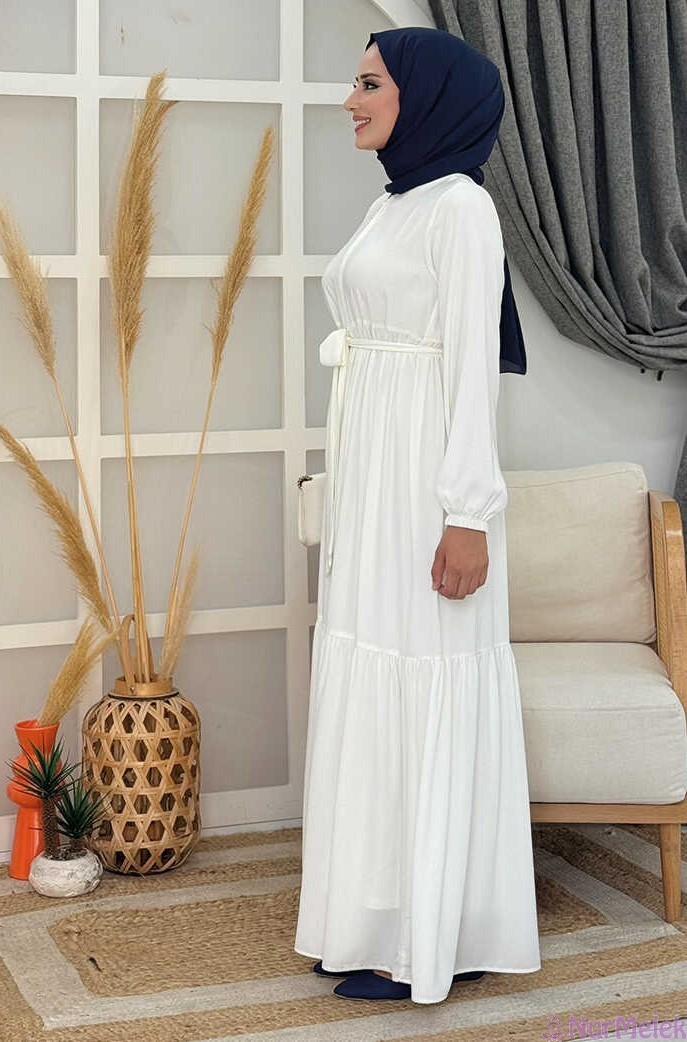
A simple abaya is easy to wear repeatedly and combine with different hijabs. White and ecru are popular choices, but they are not required colours for women’s ihram. Beige, grey and darker neutral shades may also suit your preferences. Choose a colour and fabric you can keep comfortable and clean throughout the journey.
Small design details can be useful. A gently flared cut offers more room around the legs, while a straight cut may be easier to fold and pack. A front opening can make layering simpler. Subtle embroidery may appeal to you, but check that embellishments do not add weight, catch on other items or make washing difficult.
Be cautious about selecting a garment mainly for its appearance in a photograph. Decorative stones, long ruffles and very wide hems may look attractive but be less practical during hours of walking. A comfortable, well-fitting abaya will serve you better than a style you have to keep adjusting.
What Should You Check Before Buying?
First, check the length while wearing the shoes you plan to take. The hem should give you the coverage you want without dragging along the ground or catching beneath your feet. A length that works with flat shoes may not work in exactly the same way with a different pair.
Next, test the shoulder, arm and sleeve fit. Walk around, sit down and move as you normally would. Check that the fastening stays secure and that the fabric does not pull when you move. If you plan to wear another layer underneath, try the abaya with that layer rather than over thin clothing alone.
Inspect opacity in bright light and look at the stitching, pockets and closure. If you are buying online, use the garment measurements rather than relying only on the size name. Compare those measurements with an abaya you already wear comfortably.
Finally, wash and wear the garment before your journey. This gives you time to discover whether it shrinks, creases heavily or becomes uncomfortable after several hours. Familiar clothing is often easier to manage than a brand-new outfit worn for the first time during Hajj or Umrah.
Frequently Asked Questions
Must an abaya for Hajj or Umrah be white?
No. Women are not required to wear white for ihram. Choose modest clothing in a suitable colour and focus on coverage, comfort and practicality.
Is a zip or a button closure better?
Both can work well. A zip is quick and simple; buttons may allow more adjustment. Try the fastening yourself and choose the one you can use comfortably.
Does the fabric need to be thick?
No. It should be opaque, but unnecessary thickness can make the garment uncomfortable. Check the fabric in daylight while wearing it over your intended clothing.
Are all Hajj and Umrah abayas the same?
No. Abayas vary in cut, sleeves, fabric, weight and fastening. Compare those details rather than relying on a “Hajj” or “Umrah” label.
Will an abaya take up much suitcase space?
That depends on the fabric and design. A lightweight, simple abaya usually folds more compactly than a heavily lined or embellished one. Fold it at home first to see how much room it needs.
